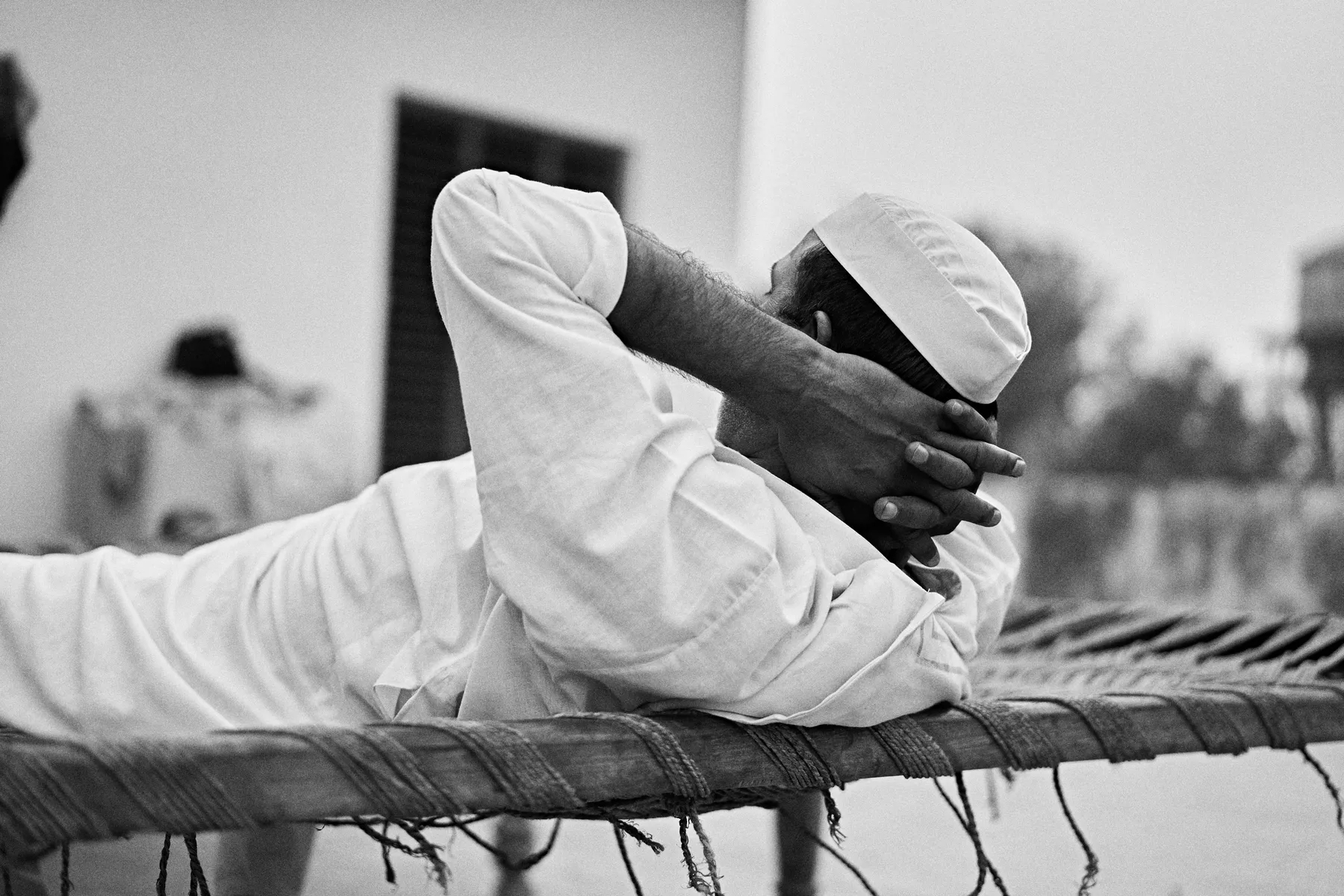
On warm evenings across India, long before air conditioners hummed behind closed windows and living rooms filled with modern furniture, families gathered around a simple woven bed known as the charpai.
You could find one beneath the shade of a neem tree in a village courtyard, on a rooftop catching the evening breeze, or resting outside a family home as the aroma of chai drifted through the air.
It was not considered remarkable. It was simply part of everyday life.
For generations, the charpai could be found across villages, towns, and cities throughout the Indian subcontinent. Built from a wooden frame and handwoven rope, it offered a practical solution perfectly suited to the climate, lifestyle, and traditions of the communities that used it.
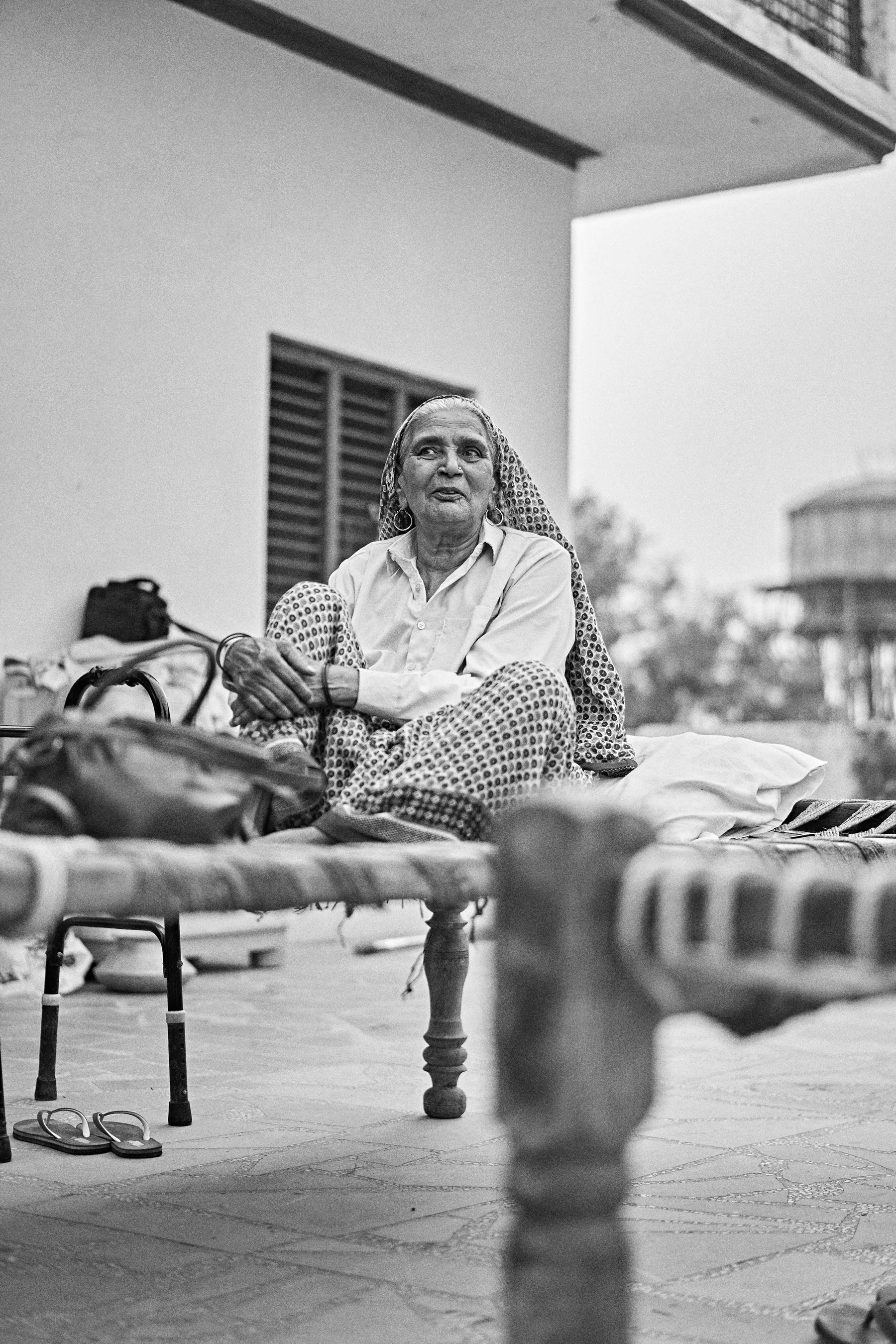
Its design was remarkably simple. Four legs. A wooden frame. Handwoven rope. Nothing more.
Yet this humble object became one of the most enduring pieces of furniture in Indian life.
Part of the reason was practicality. In a country where summer temperatures often soar, the woven surface of a charpai allows air to circulate freely beneath the body. Unlike solid wooden beds or thick mattresses that trap heat, the charpai remains cool and comfortable even during the hottest months.
Lightweight and easy to move, it could be carried into a shaded courtyard during the day and onto a rooftop at night. In many parts of Rajasthan, families still bring charpais outdoors during summer evenings, gathering beneath open skies long after the heat of the day has faded.
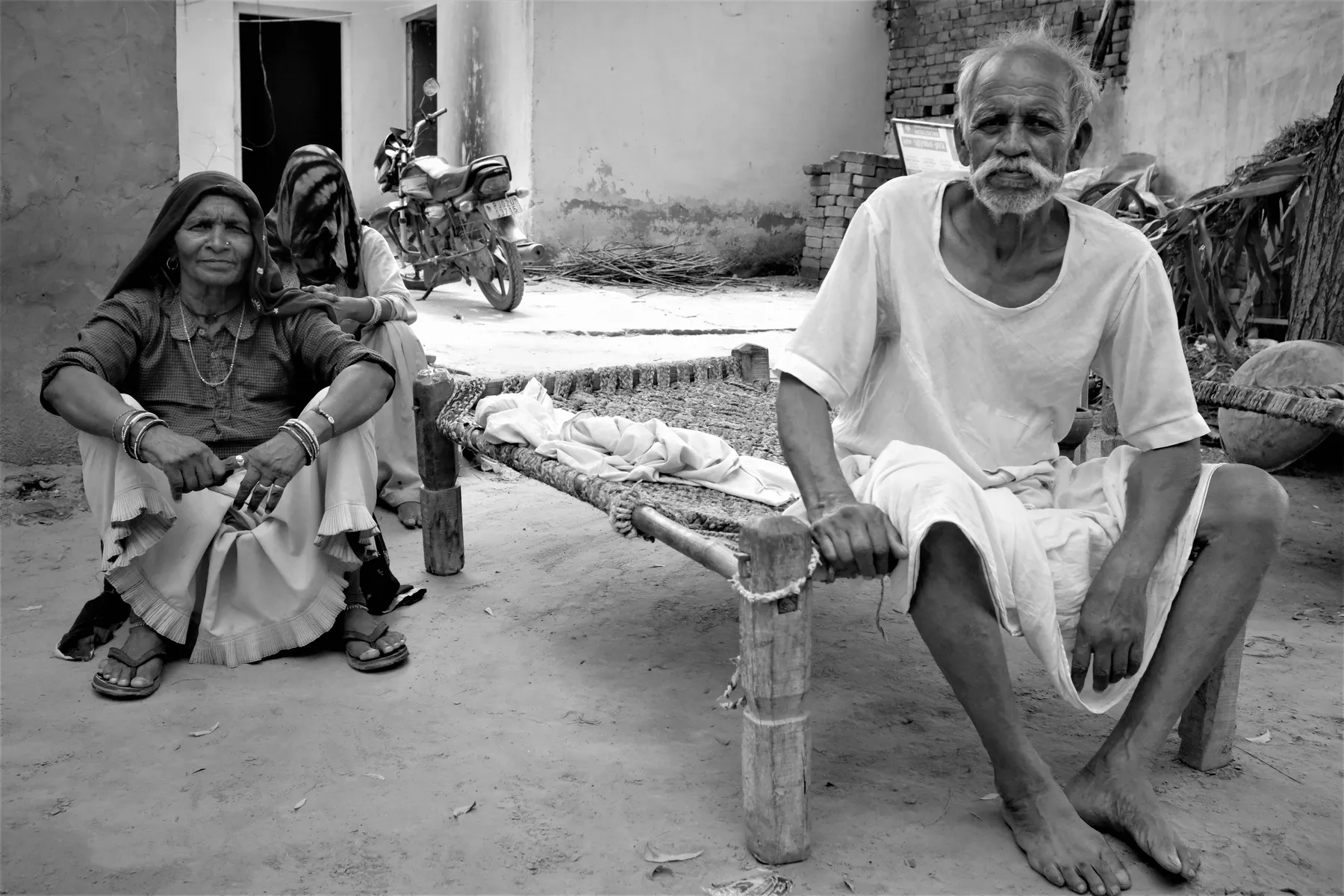
The charpai was also remarkably versatile. During the course of a single day, it might serve as a bed, a bench, a dining space, a place to welcome guests, or a temporary workspace. Farmers rested on charpais after long hours in the fields. Shopkeepers sat on them while speaking with customers. Children used them as playgrounds. Elders gathered on them to exchange news and stories.
Rather than occupying a single room, the charpai moved with daily life.
Another reason for its popularity was durability. When a modern piece of furniture breaks, it is often replaced. When a charpai wears out, it is repaired.
The wooden frame can last for decades, while the woven rope can be tightened, repaired, or entirely rewoven when needed. This approach reflects a tradition that values maintenance and craftsmanship over disposal and replacement.
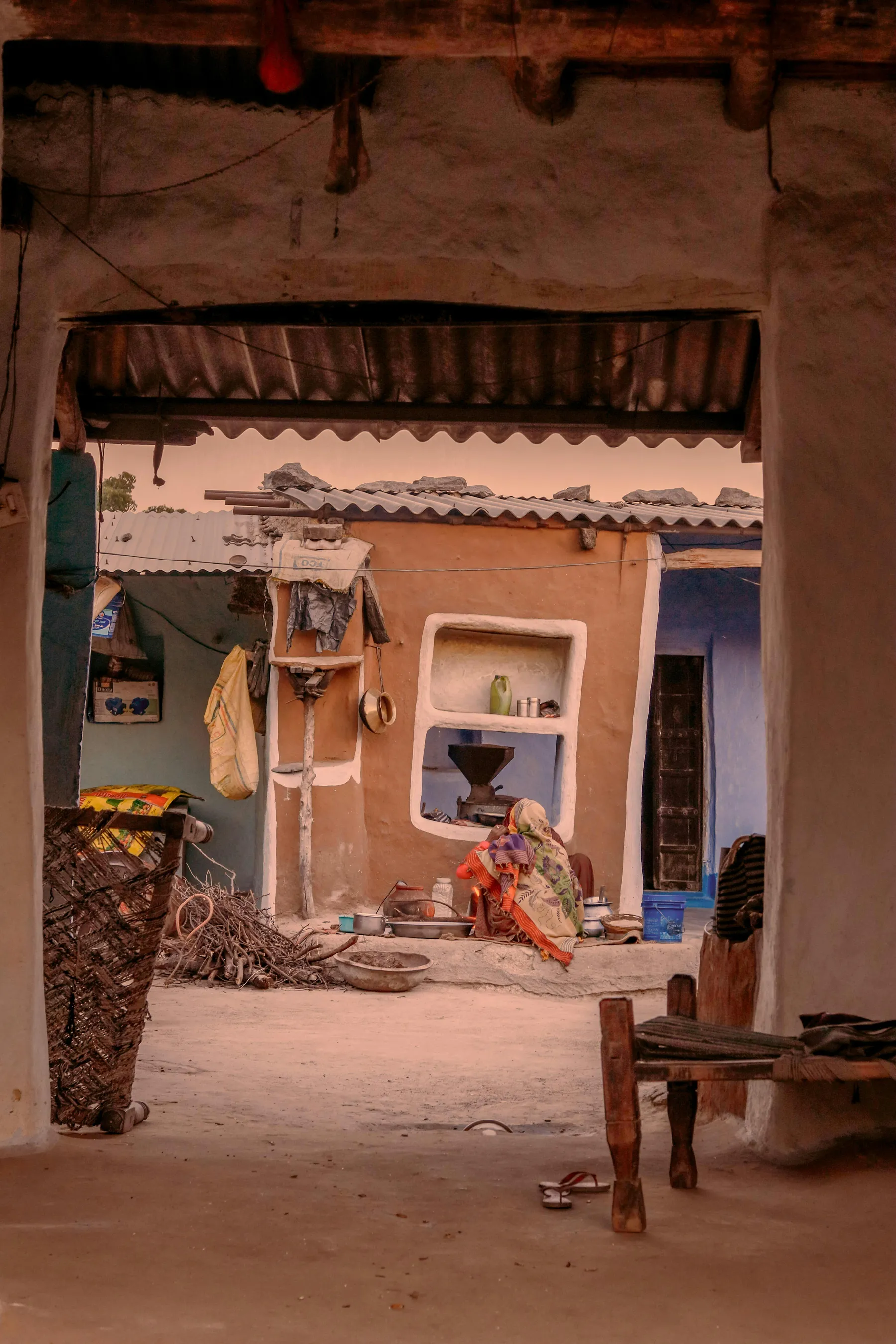
Across India, skilled artisans continue to build and repair charpais using techniques passed down through generations. In village workshops, wooden frames are carefully assembled before lengths of rope are woven by hand into intricate patterns. The process requires patience, experience, and an understanding of tension that cannot easily be learned from a manual.
Many artisans learned the craft from parents and grandparents before them, preserving knowledge that has been handed down for decades.
Regional traditions have also shaped the charpai's appearance. In Rajasthan, brightly coloured ropes are often woven into bold geometric designs that bring life and character to courtyards and homes. Elsewhere, different materials, patterns, and proportions reflect local climates, resources, and aesthetic traditions.
No two regions create charpais in exactly the same way. Yet the purpose remains remarkably consistent: to create a durable, comfortable space where daily life can unfold.
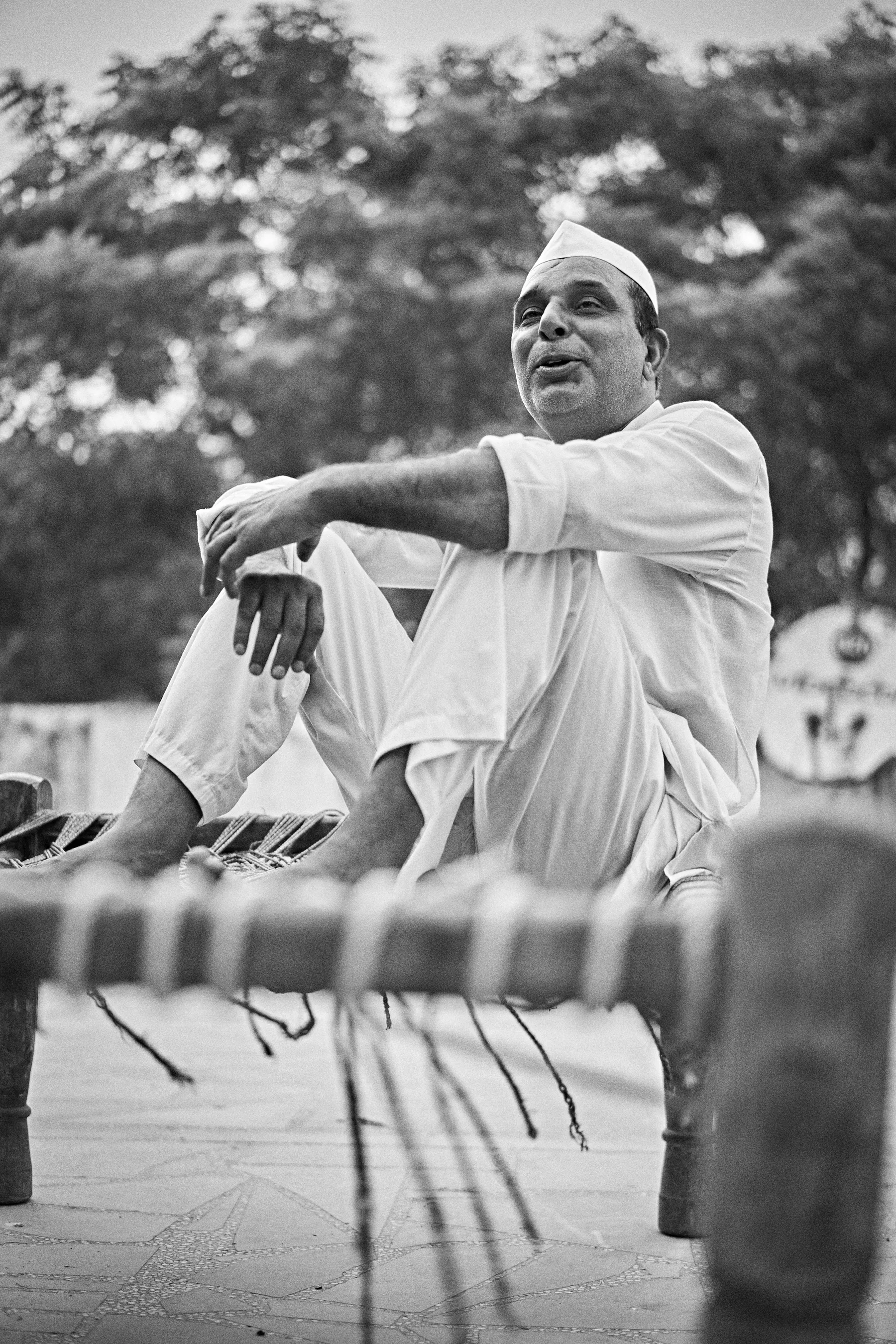
The charpai was never merely a piece of furniture. It was part of the social fabric of Indian life. Guests were welcomed onto it. Neighbours gathered around it. Conversations stretched across long afternoons and warm evenings. Children climbed across its woven surface while grandparents rested nearby.
In many homes, some of life's ordinary but meaningful moments happened around a charpai.
Today, sofas, dining sets, and contemporary furniture have replaced charpais in many households. Yet the charpai endures. It can still be found in villages, workshops, farms, courtyards, and increasingly, in homes that seek a deeper connection to traditional craftsmanship and handmade design.
Its continued presence speaks to something timeless. Good design does not always require complexity. Useful objects do not need to be disposable. And the things we use every day often tell the richest stories about who we are.
At Charpai Life, the charpai is more than the inspiration behind our name. It represents a tradition of craftsmanship that values usefulness, repair, and longevity. It reminds us that the most meaningful traditions are often woven into everyday life.
And somewhere in Rajasthan this evening, as the day's heat begins to soften, a charpai will be carried into a courtyard. Chai will be poured. Neighbours will stop by. The evening conversation will begin.
Charpai Life