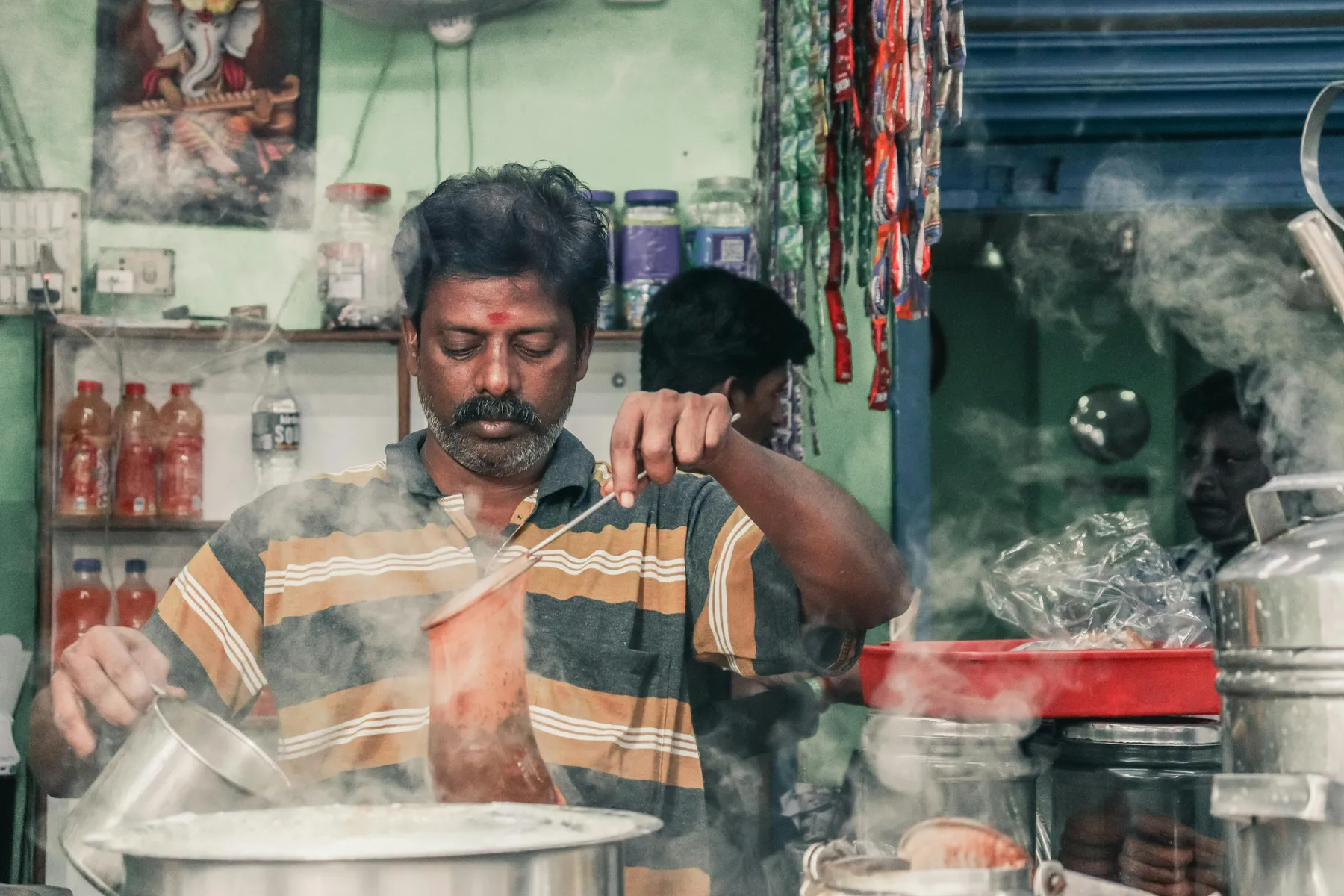
Almost every Indian neighbourhood has a place where five minutes somehow becomes half an hour.
It may be no more than a small wooden counter beneath a sheet of corrugated metal. A few steel kettles simmer gently over a gas flame. Glasses are stacked within easy reach while someone stirs chai with the familiarity that comes from repeating the same movements hundreds of times each day.
From the outside, it appears to be a place that serves tea. Stay for a while, and you realise it serves something else as well.
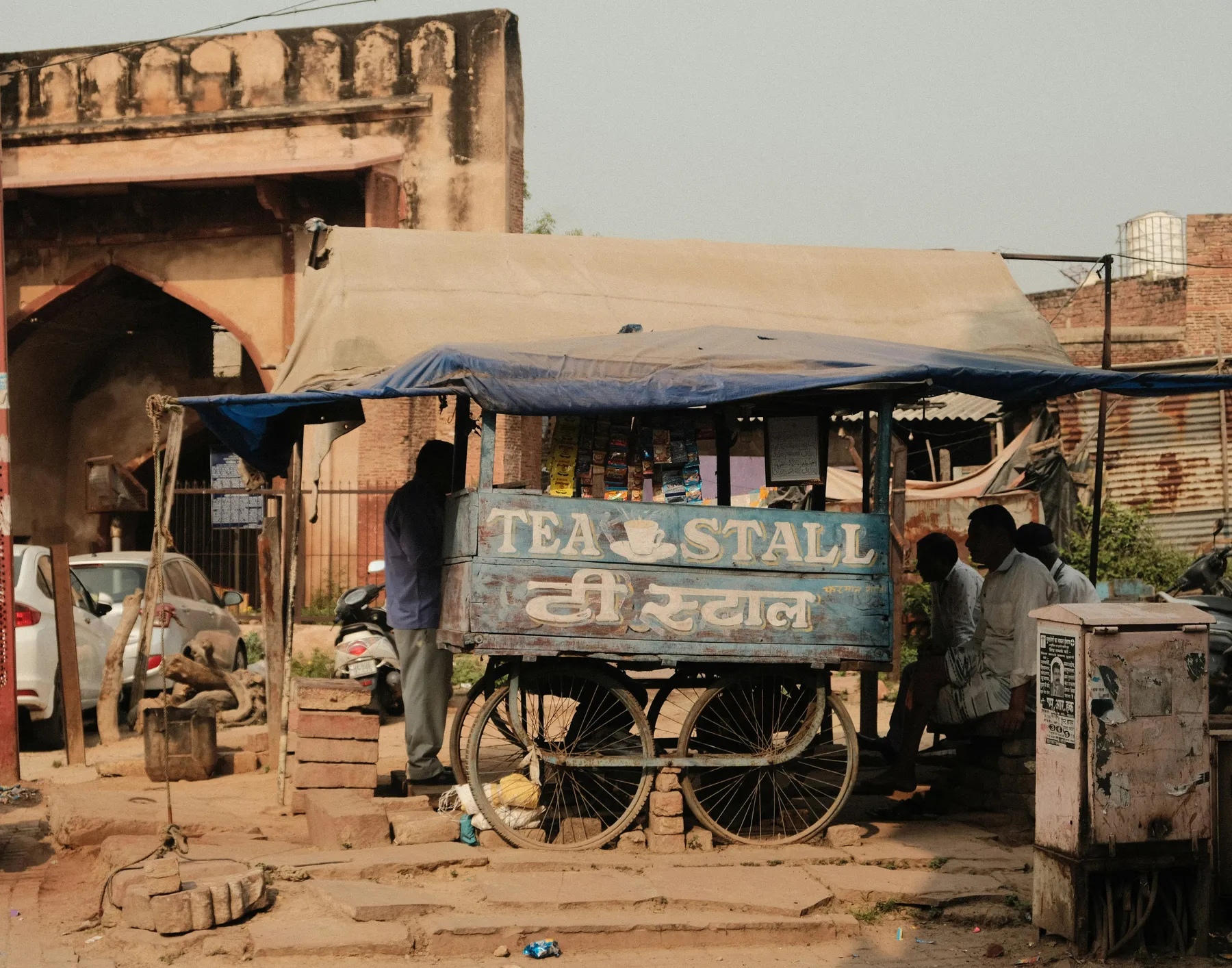
One of the things that has struck us since moving to Rajasthan is that a chai stall is rarely just a place to drink chai. It is where the day begins, where neighbours catch up, where shopkeepers step away from their counters for a few minutes, and where people often linger long after the tea itself has been finished.
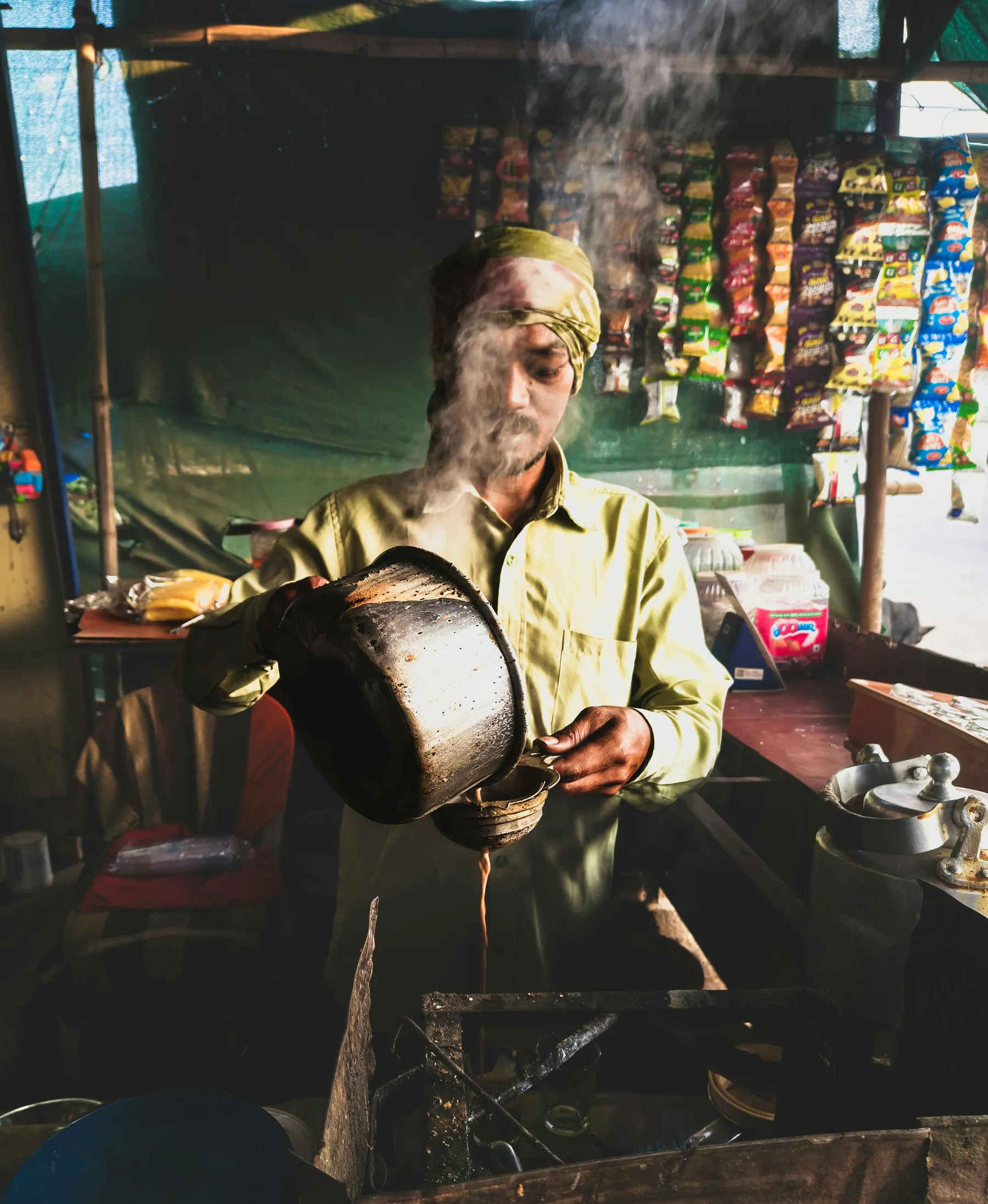
Before many shops have opened, there is already a quiet rhythm around the kettle. Delivery drivers stop before beginning their rounds. Artisans gather for a first cup before opening their workshops. Office workers pause on their way to work. The stall is rarely silent, yet it is never hurried.
Nobody seems to mind waiting for their chai. While the kettle simmers, people begin talking. Someone introduces a friend. A neighbour joins in. The few minutes spent waiting rarely feel like waiting at all.
As the day unfolds, different faces appear. A student finishes class and stops on the way home. Two shopkeepers compare the morning's business. A craftsman meets a client before heading back to the workshop. Someone waiting for a bus decides another cup is worth missing the next one.
People come and go, but the stall remains. Only the conversations change.
There are chai stalls where we are recognised before we have even said hello. The owner begins preparing our usual chai while asking how the week has been. Before long, someone introduces us to a friend standing nearby. A chat that begins with the weather somehow ends with directions to a village we have never visited or the name of an artisan we should meet.
More than once, some of the people who have become part of our lives first greeted us beside a kettle of simmering chai. None of those meetings were planned.
Sometimes we stop intending only to drink a quick cup before continuing with the day. Then someone we know arrives. The chai has long since been finished. Yet we are still standing there, talking about everything except the reason we originally stopped.
Perhaps that is what makes these places so special. Not because everyone is the same, but because everyone is welcome.
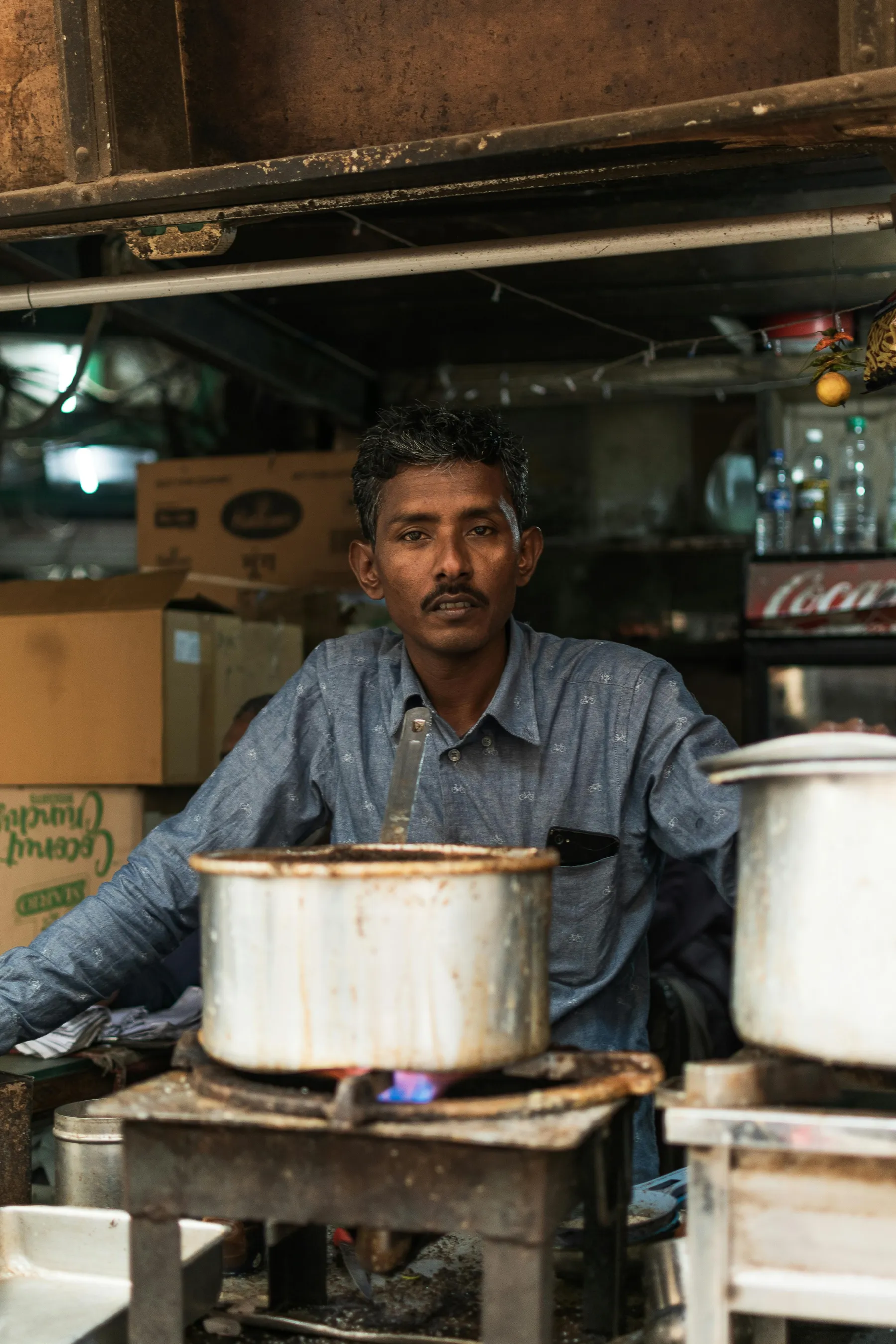
At one end of the counter, a delivery driver finishes his tea before setting off again. Beside him, two neighbours discuss last night's cricket match. A student scrolls through her phone while an elderly man quietly reads the morning newspaper. A boy carefully carries six glasses of chai across the road on a small metal tray. Someone at the back calls for "ek chai aur!" A visitor orders their first cup as regular customers debate which stall still makes the best chai in the neighbourhood.
For a few minutes, they all share the same space. There is no reservation. No expectation that anyone should leave quickly. No pressure to order more than a single glass of chai.
Every stall has its own way of preparing it. Some add freshly crushed ginger. Others prefer cardamom or a stronger blend of spices. Regular customers will happily defend their favourite stall.
But the tea is only part of the reason people return. They return because someone remembers their name. Because they know who they are likely to meet. Because, for a few minutes each day, they feel part of the neighbourhood before carrying on with everything else.
It asks very little. A few minutes. A glass of chai. A willingness to stand beside people who may not remain strangers for very long.
For us, that is one of the quiet lessons India continues to offer. Community does not always need a grand building or a carefully planned gathering. Sometimes it grows around a kettle that has been simmering since before sunrise.
And somewhere in Rajasthan tomorrow morning, before the first shops have opened and while the peacocks are beginning to call across the neighbourhood, another chai stall will quietly begin its day. The kettle will boil. The first glasses will be filled. Someone will stop for five minutes. And, as so often happens in India, they may leave a little later than they intended.
Charpai Life