It begins before dawn.
A distant thud. Rhythmic, unhurried.
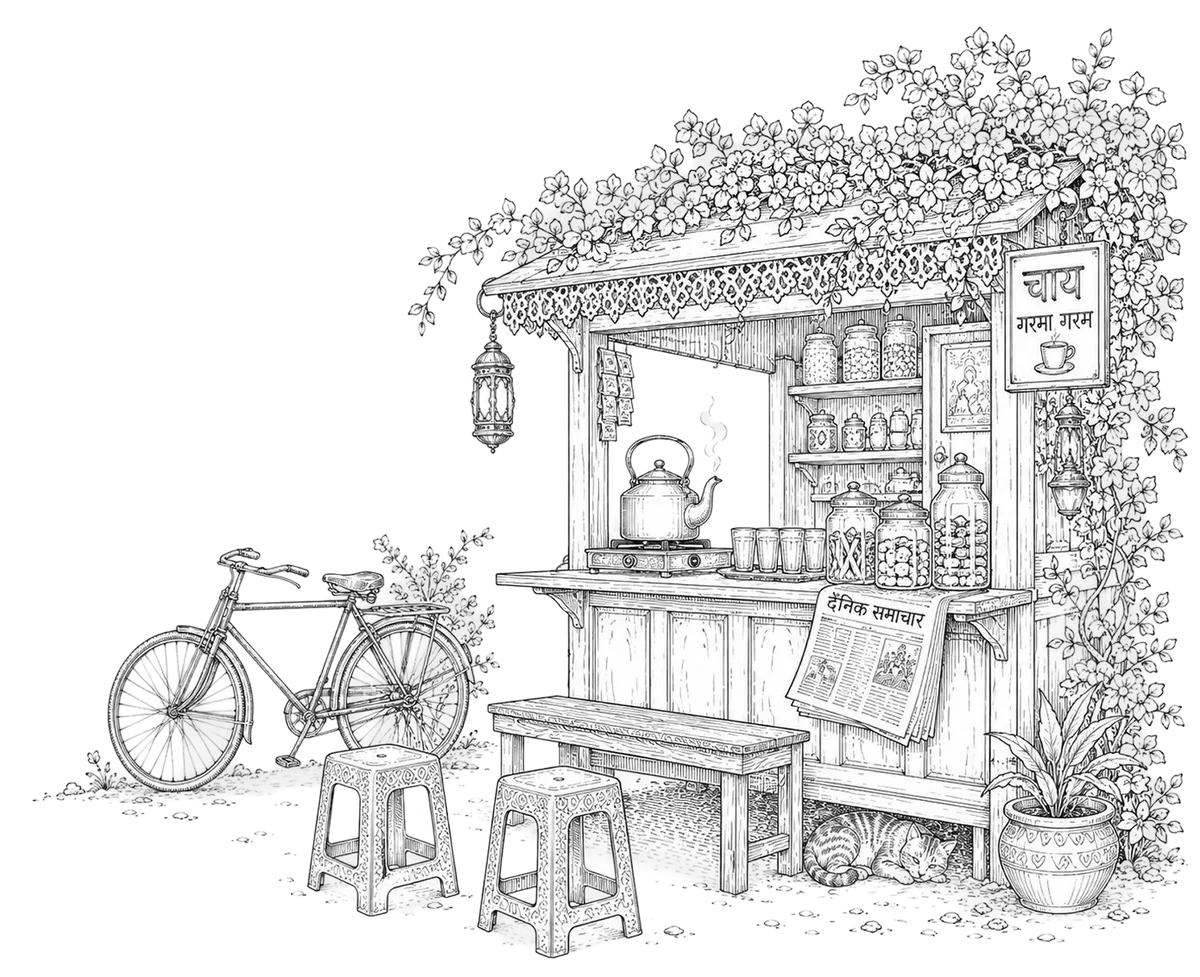
A neighbour grinding cardamom while the sky is still dark, preparing the first chai of the day.
Then, a little later, the peacocks.
Their calls drift across the stillness as the first light begins to touch the horizon.
India is often described through superlatives: the largest, the busiest, the loudest, the fastest-growing.
For many visitors, the experience begins with movement. Flights, trains, markets, cities and endless streams of activity. Another destination to reach. Another monument to see. Another item to cross off a list.
And yet, the India we have come to know reveals itself differently.
Not through speed.
Through stillness.
Not by rushing from one place to the next, but by noticing what happens in between.
Over the years, living in Rajasthan has quietly changed the way we see.
Some of our most memorable days began while waiting.
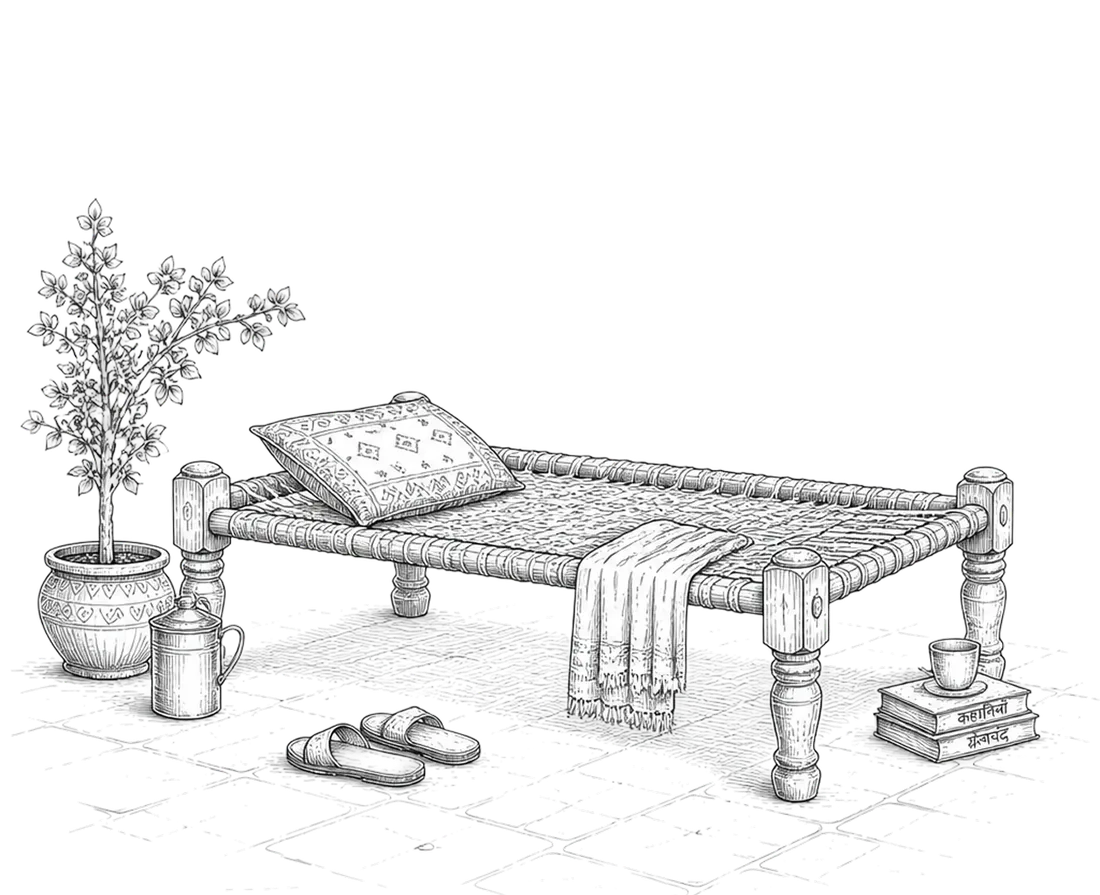
Waiting for a craftsman to finish weaving a charpai in a village workshop. Waiting for tea to arrive while a conversation wandered from business to family, from family to local history, and eventually to life itself. Waiting for the fierce afternoon heat to soften before setting off again.
What first appeared to be a delay often became the most memorable part of the day.
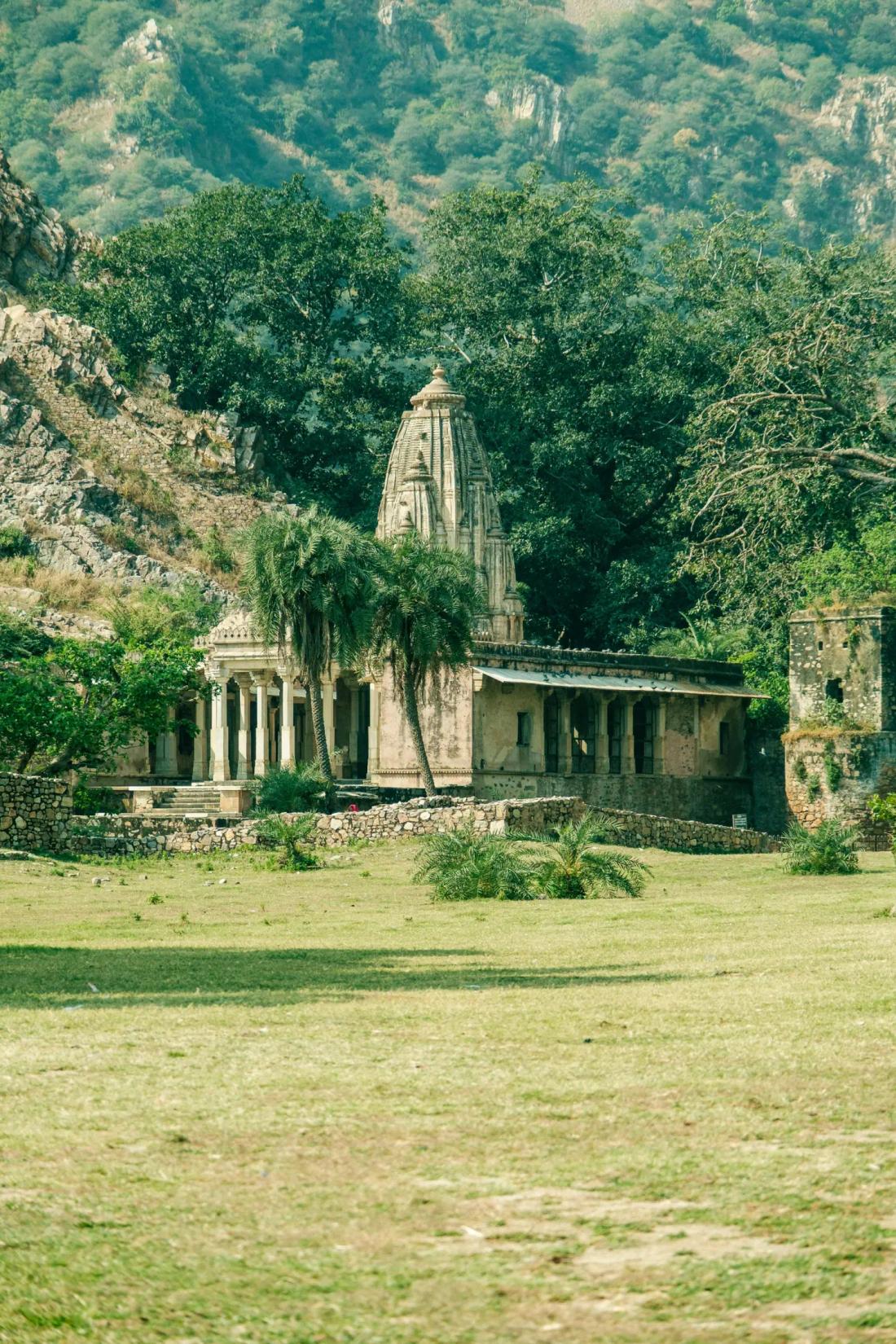
Someone mentioned another workshop we had never heard of. An introduction was quietly made. A story emerged. More than once, an unexpected conversation took us somewhere we had never planned to go.
None of those moments could have been arranged. They happened because nobody was in a hurry.
The longer we have lived here, the more we have noticed the same quiet rhythm repeating itself.
In neighbourhoods before sunrise.
In workshops where the kettle goes on before work begins.
In conversations that have nowhere they need to end.
In the ordinary moments that rarely find their way into guidebooks.
Without really noticing, we began slowing down too.
Not because we set out to.
Because life around us moved differently.
And slowly, so did we.
Perhaps that is why our name became Charpai Life.
Across the Indian subcontinent, the charpai has long been more than a woven bed. It is where guests are welcomed, neighbours stop to talk, families gather at the end of the day and conversations continue long after the tea has gone cold.
It is an ordinary object.
Yet it quietly represents something we were beginning to understand.
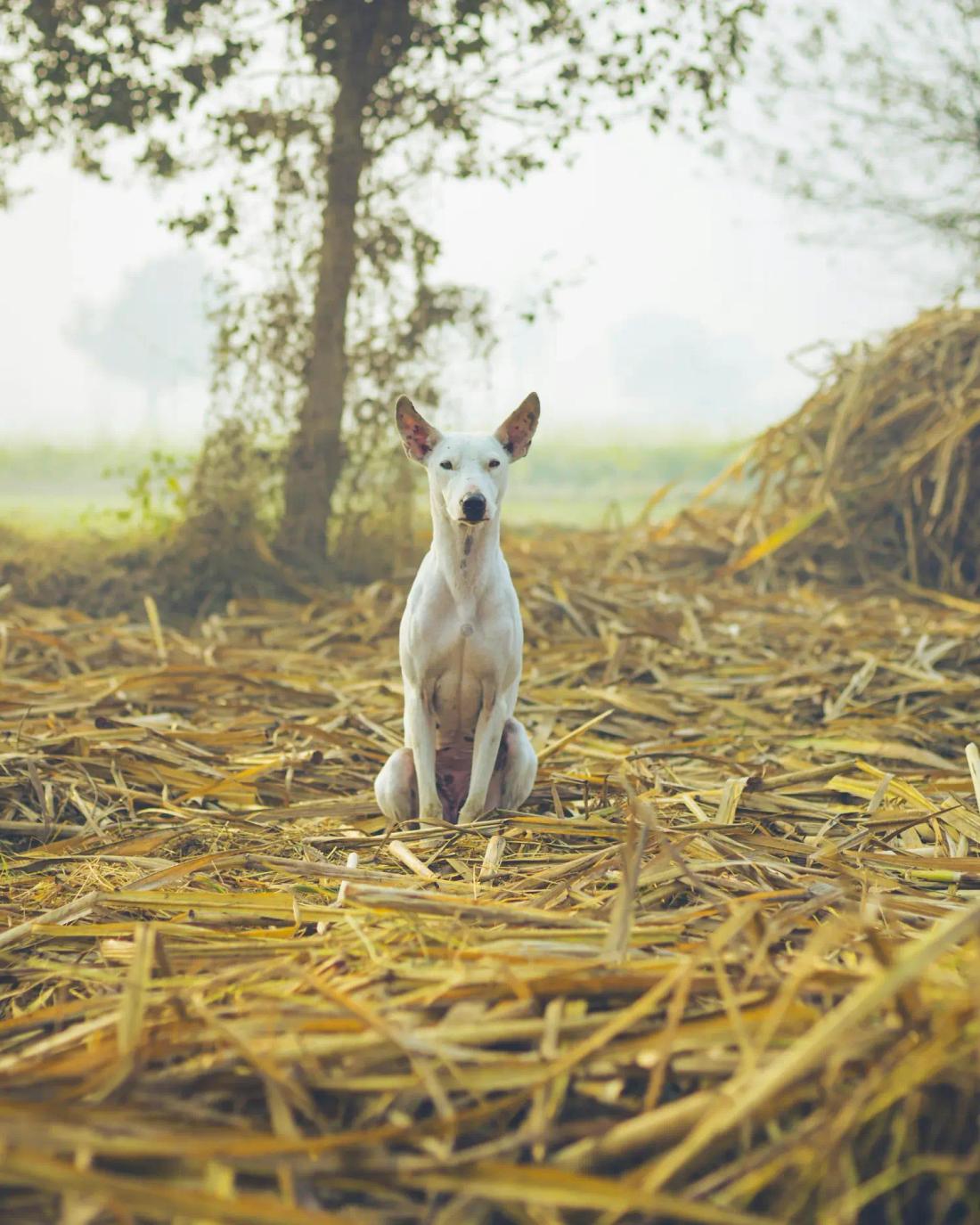
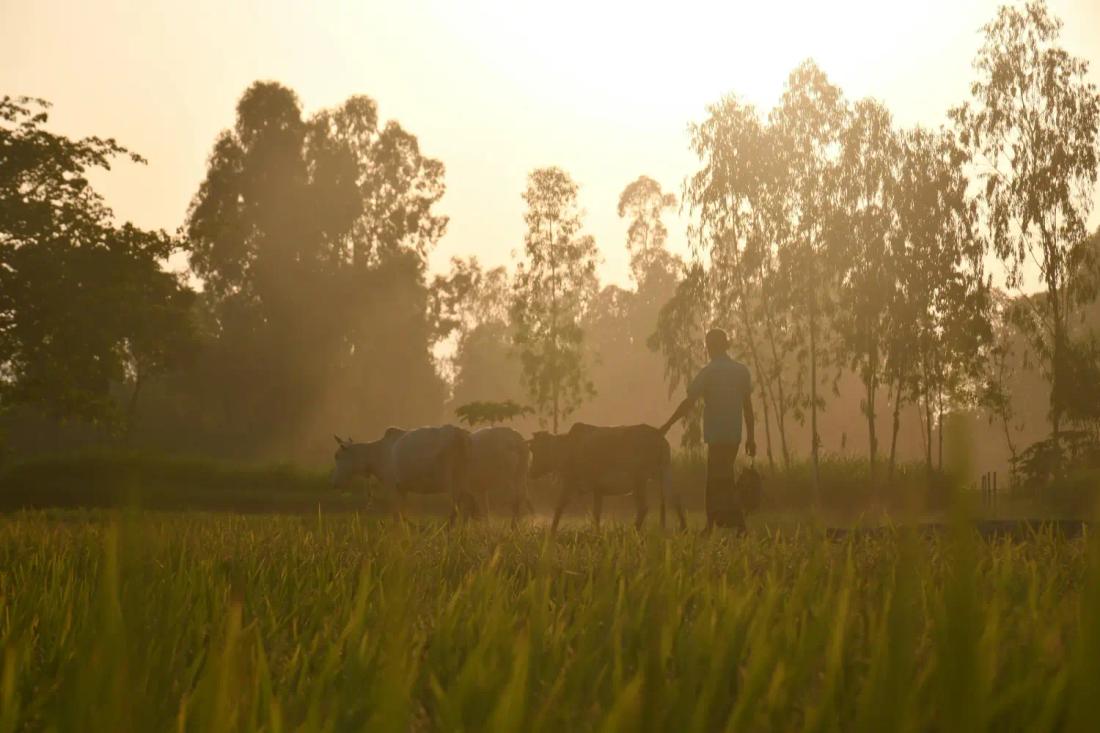
That some things become richer when they are given time.
A conversation.
A friendship.
A craft.
A home.
Looking back, we realise that this way of seeing gradually found its way into everything we do.
When we visit a workshop, we are often interested in the conversation before the object.
When we design a home, we think first about how it will be lived in, not simply how it will look.
When we share Rajasthan with travellers, we hope they leave with stories rather than a checklist of places they have seen.
Different work.
The same instinct.
To leave enough room for unexpected things to happen.
India continues to evolve at remarkable speed.
New roads appear.
Cities expand.
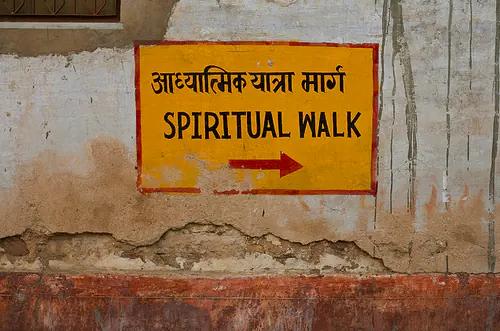
Younger generations reshape traditions in their own way.
Yet some scenes seem almost untouched.
A workshop where skills pass quietly from one generation to the next.
A family gathered together in an evening courtyard.
A charpai beneath a neem tree.
A conversation that begins unexpectedly and ends hours later.
These moments may seem ordinary.
To us, they have become a reminder.
The best things rarely happen according to schedule.
They happen when there is enough time for them to unfold.
We didn't come to India looking for a slower life.
India slowed us down.
Somewhere between waiting for tea, listening to craftsmen and conversations that lasted longer than expected, we realised something that continues to shape Charpai Life today.
The things worth keeping cannot be rushed.
Usually, they begin the same way.
Someone sits down.
The chai arrives.
And the story quietly unfolds..
The Charpai Life